


01 .
Home
When Artificial Intelligence Becomes a Companion: Understanding the Hidden Risks for Kids
The New Age of Digital Friendship
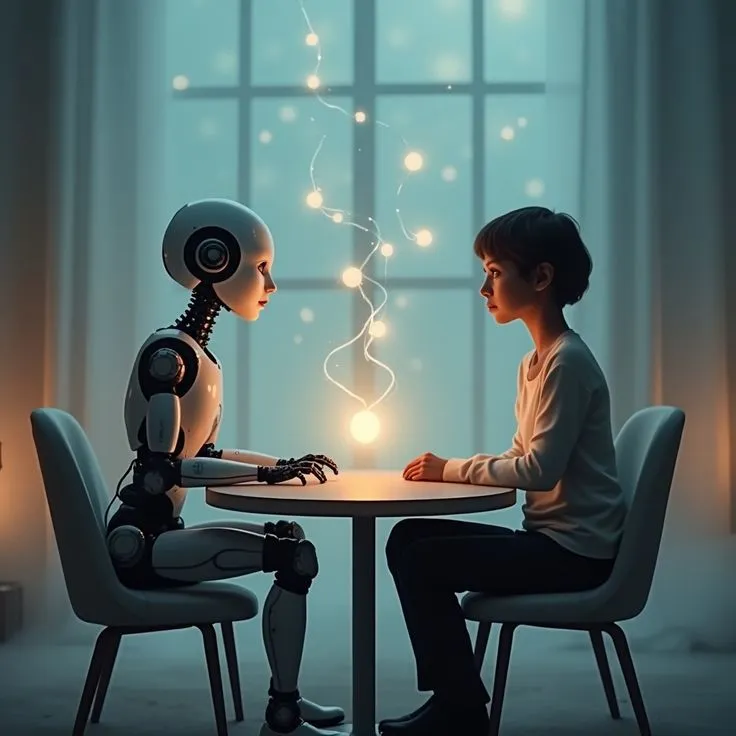
Artificial Intelligence (AI) has quietly become a part of our children’s everyday world. From voice assistants and chatbots to AI tutors and games, technology now talks back, and listens. For many children, especially those who feel lonely or isolated, AI can seem like the perfect friend: patient, always available, and never judgmental.
But behind the convenience lies a deeper question, what happens when kids begin to rely on machines for emotional support, validation, or even companionship?
The Double-Edged Sword of AI
AI can be educational and empowering. It helps children learn faster, explore their interests, and find answers within seconds. For kids who struggle in school or socially, AI can seem like a lifeline, offering personalized learning or comfort during hard moments.
Yet, when children begin to turn to AI instead of people, the balance tips. The problem isn’t the technology itself; it’s how it replaces natural human connection. Emotional growth comes from shared experiences, laughter, arguments, comfort, boundaries, all things a chatbot cannot truly give.
The Emotional Cost of Digital Dependence
Psychologists are starting to see a pattern: children spending long hours talking to AI “friends” often become more withdrawn in real life. They may struggle to express emotions, read facial cues, or handle disappointment.

Worryingly, some international reports have even linked excessive AI use to emotional confusion and depressive symptoms, especially among teenagers who confide in AI companions instead of trusted adults or friends. In extreme cases, dependency on emotionally manipulative AI chatbots has been connected to tragic outcomes, including self-harm and suicide. These are sobering reminders that emotional safety must come before technological advancement.
Shortcuts That Cut Deep
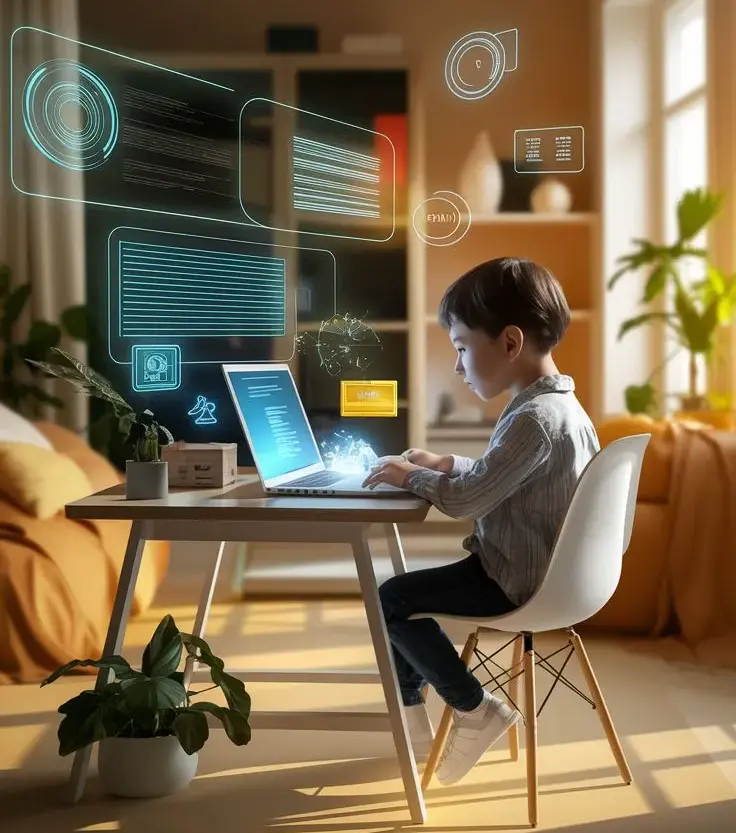
AI tools can make schoolwork easier, but also more hollow. When a child uses AI to write an essay or solve problems instantly, they may lose the process of learning how to think. Education is not just about answers; it’s about developing patience, curiosity, and problem-solving.
The danger lies in teaching children that “instant” equals “smart.” Over time, this mindset weakens their motivation and reduces the satisfaction that comes from genuine effort.
Faith, Family, and Human Connection
In Islam, balance and moderation are guiding principles, even in seeking knowledge. The Prophet (PBUH) encouraged wisdom and reflection, not shortcuts. Technology should serve humanity, not replace it.
As parents and educators, our role is to ensure that children’s emotional and spiritual needs are met through real human contact: kindness, listening, presence, and shared faith. A screen may simulate empathy, but only a person can offer love.

How Parents Can Protect and Guide
- Set limits on AI use, treat it like any digital tool, not a friend.
- Talk openly about feelings and loneliness before children turn to screens for comfort.
- Encourage human hobbies, play, art, conversation, outdoor time.
- Monitor content, not out of suspicion, but out of care.
In the End
AI is here to stay, and it can be a wonderful helper. But children must never forget what makes them human: emotion, imperfection, connection, and faith.
No machine can replace the warmth of a parent’s hug, the wisdom of a teacher, or the laughter of a friend.
Let’s raise a generation that uses technology with intelligence, not dependence.

Programmes
Support Services
© 2025 IMPACT. All rights reserved