


01 .
Home
When Words Aren’t Enough
How Art Helps Children Express Their Feelings
Sometimes, a child goes quiet when something feels too big inside.
You ask, “What’s wrong?”, and they shrug, look away, or say, “Nothing,” even when you can sense there’s more.
For many children, putting feelings into words is not easy. Emotions can feel confusing, overwhelming, or simply too new to understand. And when they don’t have the language to explain what’s happening inside, those feelings don’t disappear, they just find other ways to come out.
This is where art becomes powerful.
Drawing, clay, movement, and play can become a child’s “voice” when words fall short. In this blog, we’ll explore how art helps children express emotions safely, and how you can gently support this process at home or in the classroom.
Why Some Feelings Don’t Come Out in Words
Children are still learning how to identify, understand, and name their emotions. The part of the brain that helps with language and reasoning is still developing, while the “feeling” part is often very active.
So when a child feels something intense, sadness, frustration, fear, or even excitement, they may not have the words to explain it.
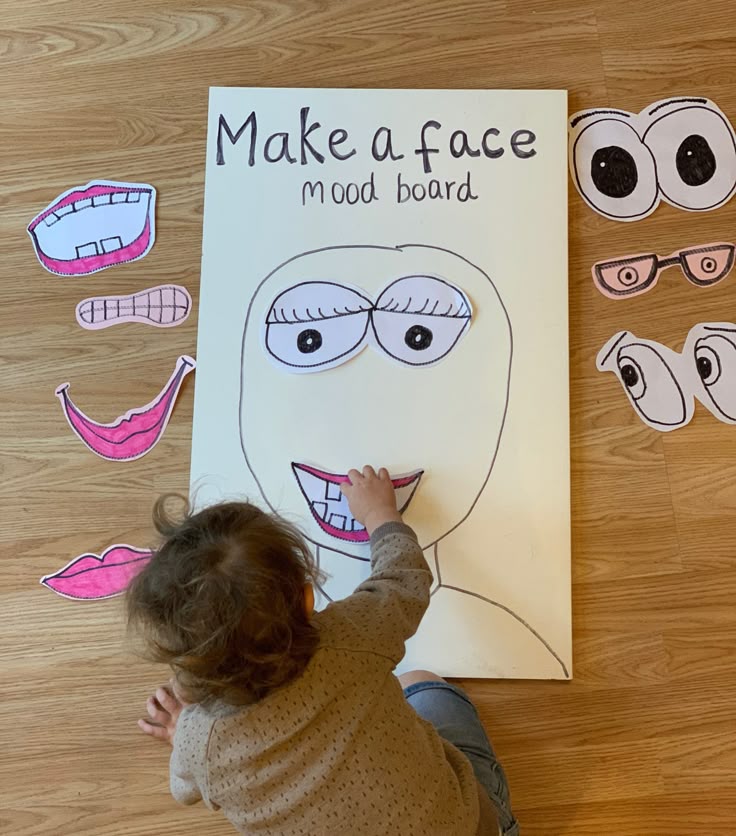
Instead, their emotions might show up as:
- Silence or withdrawal
- Sudden anger or meltdowns
- Restlessness or clinginess
- Saying “I don’t know” when asked how they feel
This isn’t because they don’t want to communicate. It’s because they can’t yet translate feelings into words.
Art offers a different path.
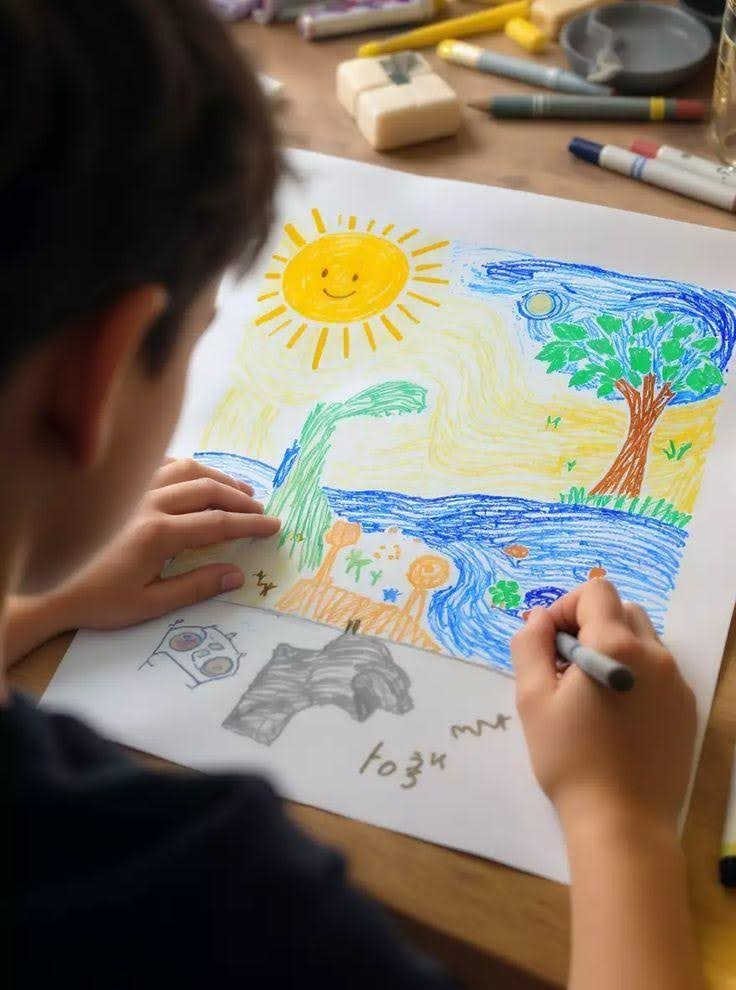
When a child draws, paints, molds clay, or moves their body, they are expressing what they feel without needing to explain it. The pressure of “saying it right” disappears, and their inner world can come out more freely.
It’s completely normal for children to:
- Draw things that don’t seem to “make sense”
- Use colors based on feelings, not reality
- Repeat certain shapes or themes
These are not random, they are expressions of their internal experience.
Think of art as a bridge between what a child feels and what they can communicate.
Everyday Examples
You might have already seen this without realizing it.
A child who had a difficult day at school might come home and draw dark, heavy scribbles.
Another child might build something with clay and then squash it repeatedly.
A child who struggles to talk about fear might act it out through movement or pretend play.
In these moments, the child is releasing something they cannot yet say.
For example:
- When a child draws themselves very small next to a big figure, they may be expressing feeling overwhelmed.
- When they use strong, fast strokes, it could reflect frustration or energy.
- When they avoid drawing people or faces, it may show discomfort with emotions or relationships.
It’s important to remember, there is no “right” or “wrong” way for a child to express themselves through art.
A helpful reframe is:
They’re not being messy or random, they’re communicating in a different language.
Practical Strategies
You don’t need to be an artist or therapist to support your child’s emotional expression through art. Small, simple moments can make a big difference.
How Parents Can Help at Home
• Create a safe, open space for art
Keep basic materials available:
- Paper, crayons, markers
- Clay or playdough
- Colors and paints (even simple ones)
Let it be a space without pressure or rules.
• Focus on expression, not outcome
Avoid saying “What is this?” or correcting their drawing.
Instead, try:
- “Tell me about your picture”
- “I see you used a lot of blue here”
This invites sharing without judgment.
• Allow freedom and mess
Sometimes emotions come out in big, messy ways, and that’s okay. Lay down a newspaper or a mat and let the process happen.
• Join them, but don’t take over
Sit beside your child and draw or play quietly. Your presence feels safe, even without conversation.
• Use art after emotional moments
After a tough day or a meltdown, gently offer:
“Do you want to draw how you’re feeling?”
This can feel easier than talking.
Small Daily Practices That Help
- “Draw your day” before bedtime
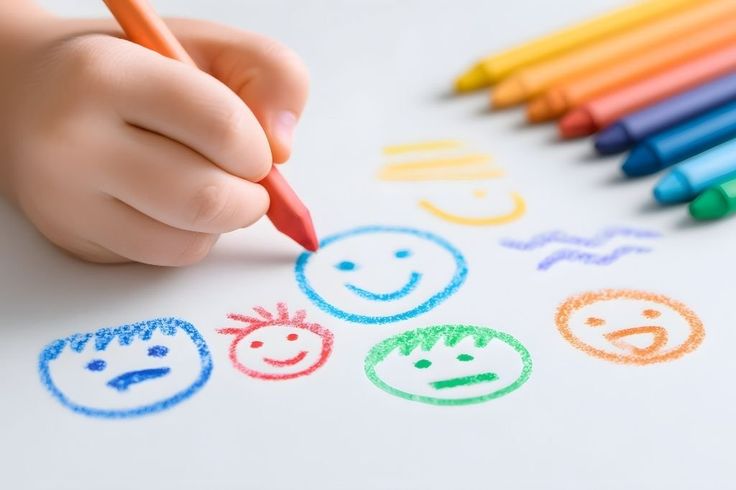
- Use colors to represent feelings (happy = yellow, calm = blue, etc.)
- Encourage pretend play and storytelling
- Let children move (dance, stretch) to express emotions physically
These small habits help children become more comfortable expressing themselves over time.
Not every child will open up with words, and that’s okay.
Expression doesn’t always look like talking. Sometimes it looks like a scribble, a shape, a movement, or a quiet moment with colors on a page.
When you give your child the space to express themselves without pressure, you’re sending a powerful message:
“Your feelings are safe here, even if you can’t explain them yet.”
Over time, as their emotional and language skills grow, those drawings and creations may slowly turn into words. But until then, art can hold what they cannot say.
The next time your child picks up a crayon or starts creating, pause and notice. There might be more being shared than it seems.
And that’s a beautiful place to begin.
If you found this helpful, explore more of our resources on emotional development and child expression at Impact for Kids.

Programmes
Support Services
© 2026 IMPACT. All rights reserved