


01 .
Home
Is My Child Ready for Mainstream School?
Preparing for the Transition from Therapy
The idea of moving your child from a therapy setting into a mainstream school can bring a mix of emotions, hope, excitement, and also quiet worry.
You might find yourself wondering:
Will they be able to cope? Will the teacher understand them? What if they struggle without the support they’re used to?
These thoughts are completely natural.
Transitioning into a mainstream classroom is a big step, not just academically, but emotionally and socially as well. For children who have been receiving therapy, that structured, supported environment becomes a place of safety, so moving out of it can feel like stepping into the unknown.
The good news is: with the right preparation and gentle support, this transition can be a positive and empowering experience for your child. In this blog, we’ll walk through how to make that shift smoother, for both you and your child.
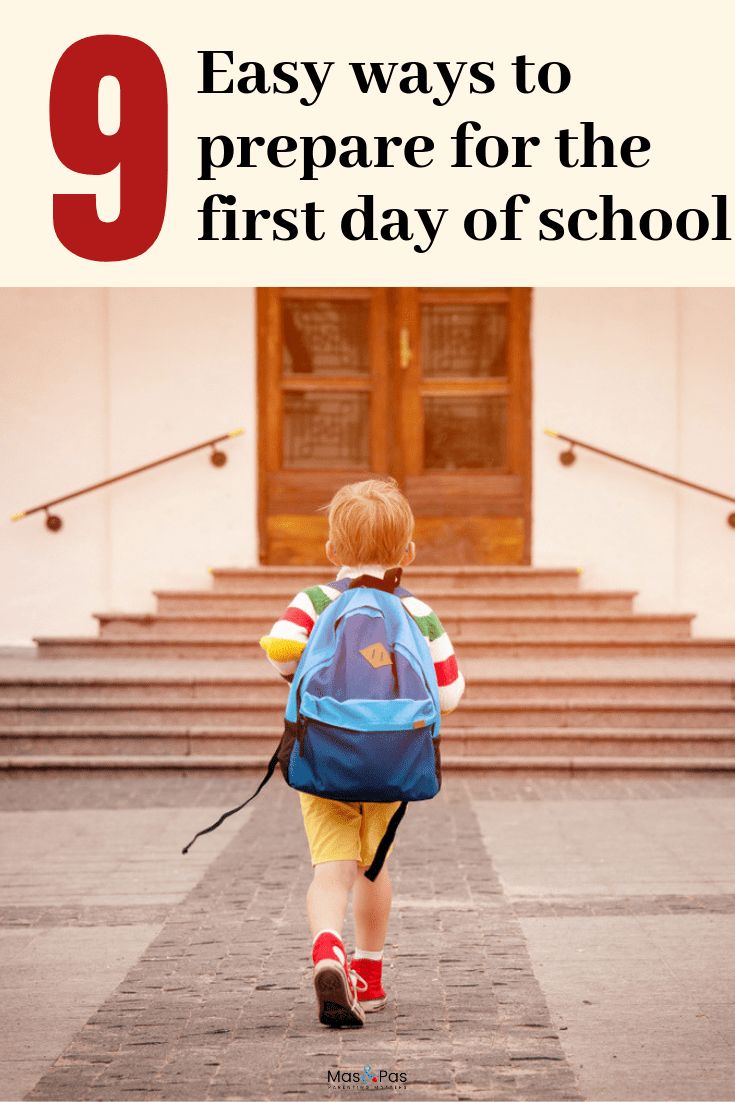
Why Transitions Can Feel So Big for Children
Transitions are challenging for most children, but for those who have been in therapy, they can feel even bigger.
In a therapy setting, children often have:
- Predictable routines
- Individual attention
- A controlled, low-pressure environment
- Familiar adults who understand their needs deeply
Mainstream schools, on the other hand, are:
- Busier and more stimulating
- Less individualized
- Full of new faces, sounds, and expectations
For a child, this shift can feel overwhelming.
Their brain is trying to adjust to:
- New routines
- Social interactions with many peers
- Following group instructions
- Managing emotions in a less supported space
Even if your child has made great progress in therapy, it’s completely normal for them to feel unsure or anxious during this change.
You might notice:
- Clinginess or hesitation
- Increased emotional reactions
- Difficulty adjusting to new routines
- Tiredness after school
These are not signs of failure, they are signs of adjustment.
Think of this transition as a bridge. Your child isn’t leaving support behind, they are learning to carry it with them into a new space.
Everyday Examples
This transition often shows up in small, everyday moments.
For example:
- A child who followed instructions well in therapy may feel lost in a classroom with many children speaking at once.
- A child who was comfortable with one therapist may feel shy or withdrawn around a new teacher.
- After school, your child may seem more tired, irritable, or quiet, not because something went wrong, but because they’ve used a lot of emotional energy adjusting.
You might also notice that skills your child had previously mastered seem to “slip” temporarily.
This can feel discouraging, but it’s actually very common.
When children enter a new environment, their brain is busy adapting, and during this time, it may be harder to access previously learned skills.

A helpful reframe is:
They’re not going backwards, they’re adjusting to something new.
With time, consistency, and support, those skills often return and even strengthen.
Practical Strategies
There are many small, thoughtful ways you can prepare your child for this transition and help them feel more confident.
How Parents Can Help at Home
• Talk about the change gently and positively
Start preparing your child early by talking about school in simple, reassuring ways:
“You’ll have a teacher, new friends, and fun activities.”
Avoid overwhelming them with too many details at once.
• Visit the school beforehand
If possible, take your child to see the classroom, playground, or building. Familiarity reduces anxiety.
• Practice routines at home
Start following a school-like routine:
- Waking up at the same time
- Getting dressed independently
- Packing a bag
This builds confidence and predictability.
• Build small independence skills
Encourage your child to:
- Ask for help
- Follow simple instructions
- Manage basic tasks (eating, packing, toileting)
These small skills make a big difference in a classroom setting.
• Prepare for emotional ups and downs
Let your child know it’s okay to feel nervous:
“It’s okay if it feels new or a little hard at first.”
Small Supports That Help
- Create a simple visual schedule for school mornings
- Use a comfort item (like a small object in their bag)
- Practice social situations through role-play
- Keep communication open with teachers
These small steps can make the transition feel less overwhelming.
Encouragement & Reflection
Letting your child step into a mainstream school is a big milestone, and it’s okay if it feels emotional for you too.
Progress doesn’t always look like a smooth, straight line. There may be days when things feel easy, and others when your child needs extra support again.
That doesn’t mean the transition isn’t working.
It simply means your child is learning, adjusting, and growing in a new environment.
Try to notice the small wins:
- A new friend
- Following a routine
- Asking for help
These moments matter.
With your patience, understanding, and continued support, your child is not just entering a new school, they are building confidence, resilience, and independence.
And that’s a journey worth taking, one step at a time.

Programmes
Support Services
© 2026 IMPACT. All rights reserved