


01 .
Home
When Kids Feel Overwhelmed by Good Things
Understanding the Stress of Excitement, Why Joy Can Still Feel “Too Much”
We imagine that children love every celebration, birthdays, holidays, guests, or surprises. But sometimes, right in the middle of all that joy, a child may burst into tears, hide behind a parent, or lash out in frustration. It can leave adults confused: “But this is supposed to be fun, why are they upset?”
The truth is, even good things can feel overwhelming. Excitement, anticipation, and sensory stimulation can combine into emotional overload, especially for sensitive or anxious children. When too many good feelings come at once, their nervous system doesn’t know how to balance it.

Children’s emotional systems are still developing, which means that intense excitement activates the same physiological response as anxiety. The heart races, breathing quickens, and adrenaline surges, all signs of arousal, whether it’s from fear or joy.
In moderation, this arousal helps kids stay alert and engaged. But when too much happens at once, bright lights, multiple people talking, loud music, or expectations of social performance (“say thank you,” “open your gifts,” “take a photo”), it can trigger emotional flooding.
This is the same response that causes a toddler to cry when everyone sings “Happy Birthday.” They’re not ungrateful, their nervous system is simply overwhelmed by stimulation, attention, and emotion.
Neurodivergent children or those with sensory sensitivities are especially prone to this. However, every child has a threshold. Once excitement crosses that limit, their emotional regulation center (the prefrontal cortex) temporarily “shuts down,” leading to tears, withdrawal, or irritability.
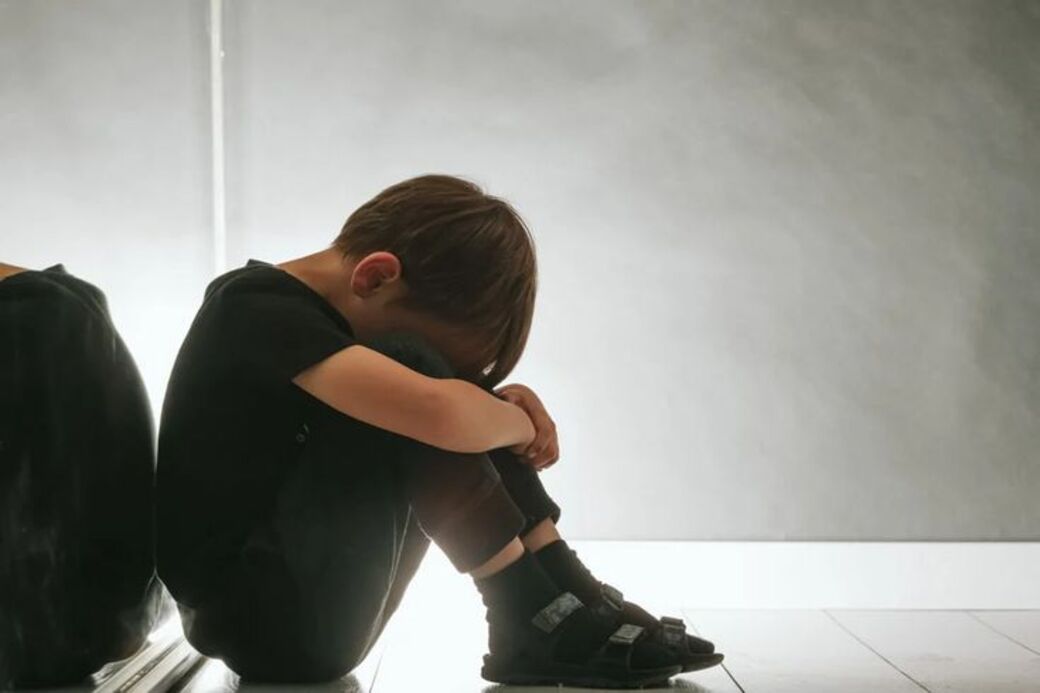
Understanding this doesn’t mean avoiding joy, it means learning how to pace it. These aren’t signs of rudeness or bad behavior, they’re signals of emotional overload. For kids, excitement is energy, and energy without grounding can feel like chaos inside the body.
Recognizing this allows adults to respond with empathy rather than confusion or correction.
- Create Calm Pockets:
Give children a quiet corner, soft toy, or chance to step away. “Do you want a small break?” helps them reset without shame. - Name the Feeling:
Teach emotional language for good overwhelm: “Sometimes when we’re really happy or excited, it can feel like too much. That’s okay.” Naming it gives permission to feel both joy and exhaustion. - Regulate Together:
Model taking deep breaths, sitting with them, or sharing a calm snack after the excitement. Children co-regulate best when adults stay attuned and gentle. - Lower the Pressure:
Skip forced photos, extra praise, or over-scheduling. Let the day flow naturally instead of trying to make it “perfect.”
Children don’t need constant happiness; they need space to feel safe within happiness. Sometimes, joy itself is loud, full of colors, people, and energy, and their little bodies need time to catch up.
When we notice their overwhelm with compassion, we teach them that every feeling, even the big, bright ones, can be handled with care.
So if your child retreats during a party or cries after a fun day out, hold them close. They’re not rejecting the joy, they’re learning how to hold it.

Programmes
Support Services
© 2026 IMPACT. All rights reserved