


01 .
Home
Discipline as Guidance, Not Punishment
How Faith Teaches Us to Nurture Inner Responsibility in Children
Redefining Discipline
When parents think of “discipline,” they often picture punishment, taking away toys, raising voices, or giving lectures. But real discipline isn’t about control; it’s about teaching. It’s how we help children understand boundaries, respect others, and take responsibility for their actions.
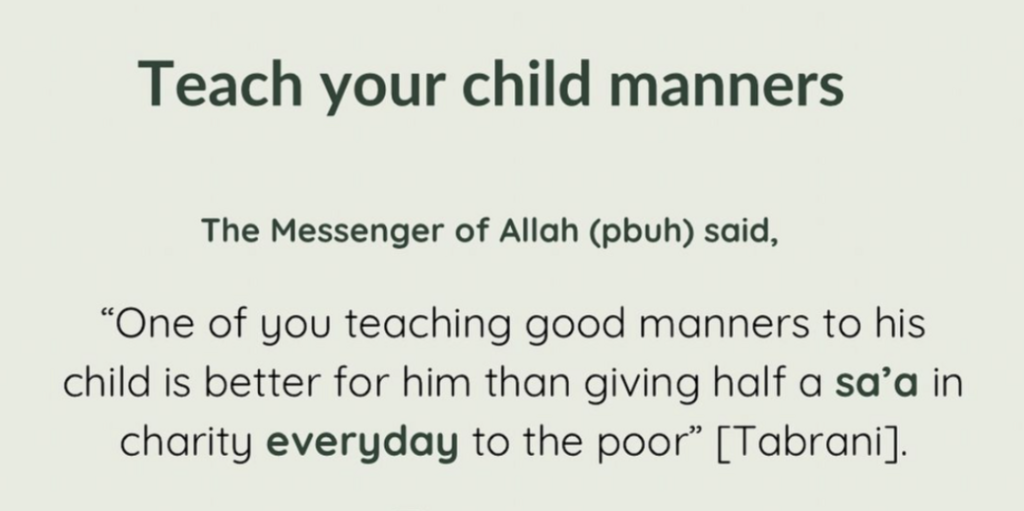
In every culture and faith, discipline is seen as a form of love, guidance that helps a child grow into their best self. The Prophet Muhammadصلى الله عليه وسلم said, “The best of you are those who have the best manners and character.” Similarly, most faiths remind us that kindness and respect begin at home.
The Purpose of Discipline
Children aren’t born knowing social rules or emotional control; they learn through experience, imitation, and correction. Discipline helps them understand how their actions affect others.
When we discipline calmly and consistently, we teach cause and effect: “When I’m respectful, I’m heard.” “When I hurt someone, I need to make it right.” Over time, this builds emotional maturity and moral awareness.
But when discipline turns into harsh, yelling, shaming, or physical punishment, it teaches fear, not responsibility. The child may comply temporarily, but won’t truly understand why their behavior was wrong.
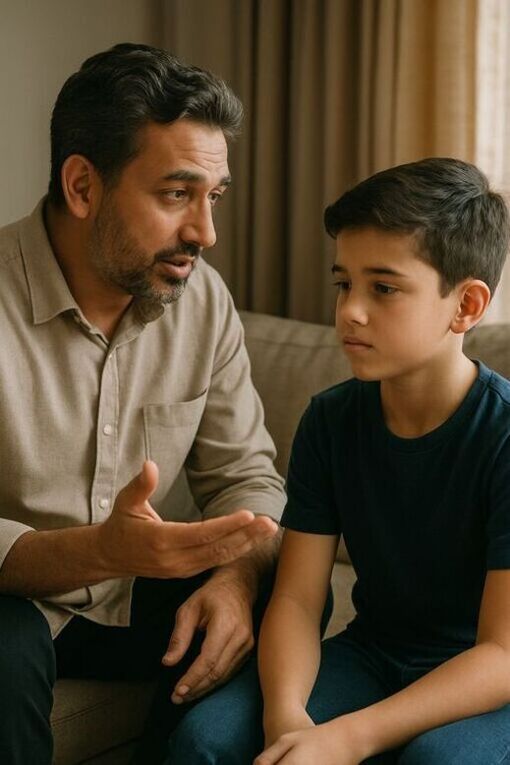
Gentle discipline means guiding, not controlling. It’s about creating a safe emotional space where a child can make mistakes, reflect, and grow. Parents become the mirror that shapes their child’s self-worth. When you correct with respect, they learn to respect themselves and others.
Teaching Manners and Respect in Daily Life
Good manners are the foundation of discipline, small, everyday expressions of empathy and self-control.
- Model what you want to see
Children imitate adults. Saying “please,” “thank you,” and apologizing when you’re wrong teaches humility more powerfully than any lecture - Explain the why behind the rules.
Instead of “Don’t interrupt,” try “Let’s wait our turn so everyone feels heard.” Understanding the reason builds empathy, not just obedience. - Use calm correction, not shame.
Correct behavior privately and gently. Public embarrassment may stop the behavior, but it damages trust. - Set consistent expectations.
Routine helps children feel secure. Clear boundaries, like greeting elders politely or cleaning up after play, create structure and respect for order. - Praise effort, not just results.
Acknowledging effort (“You were very patient today”) encourages intrinsic motivation, a lifelong form of discipline rooted in pride and self-control.
A gentle reminder from faith supports this approach: “The most beloved of deeds to Allah are those done with consistency, even if small.” (Sahih al-Bukhari)
Consistency, not intensity, builds character
Balancing Firmness and Compassion.
Discipline works best when it balances firm boundaries with emotional warmth. Too much leniency leads to confusion; too much control breeds resistance.
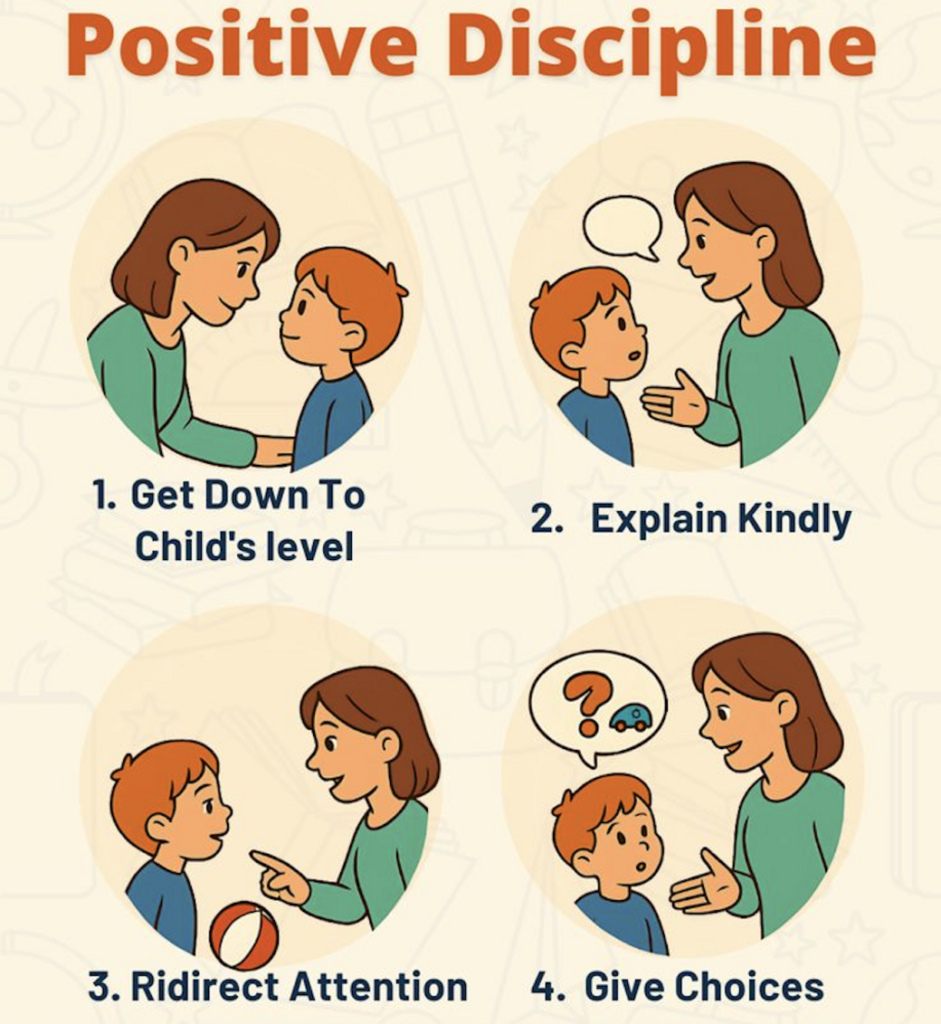
Children need to know that rules come from love, not power. You can say, “I won’t let you hit your brother,” in a calm but firm tone. The message is clear, the behavior is not acceptable, but the child is still loved.
In guiding our children with gentleness and consistency, we mirror the patience and mercy we hope they one day show others.
Conclusion
Discipline isn’t about control; it’s about character formation. It’s the quiet daily work of helping a child learn respect, patience, and empathy
When we discipline with dignity, firm but kind, structured but loving, children learn that respect is mutual. They begin to understand that good manners aren’t just about behavior; they’re a reflection of inner peace and awareness.
And perhaps that’s what true discipline really is, not fear of doing wrong, but love for doing right.

Programmes
Support Services
© 2026 IMPACT. All rights reserved